
EV, hybrid or plug-in hybrid: what's the difference?
Understanding the three vehicle types, and which one suits the way you drive.
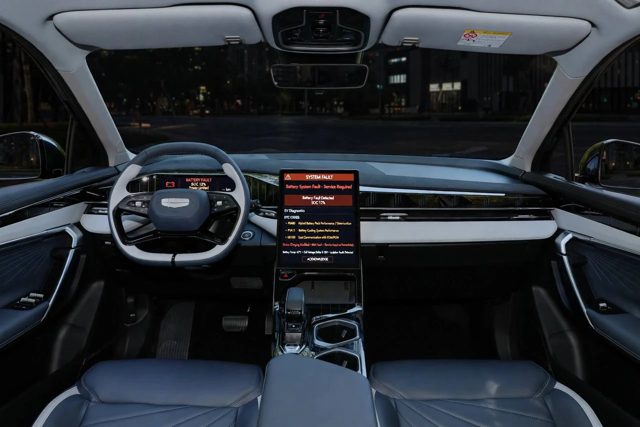
Electric and hybrid vehicles are becoming more common, but not every vehicle advertised as an electric or hybrid car operates in the same way.
Some run entirely on electricity, others combine electricity with petrol, while some can be plugged into a charging point and also use a conventional engine.
Understanding these differences is important when choosing a vehicle that suits your lifestyle, budget and driving needs. Let's break down the three main types.
1. Fully electric vehicles (BEVs)
A Battery Electric Vehicle (BEV), commonly called an EV, runs entirely on electricity. It uses a rechargeable battery pack to power an electric motor, with no conventional petrol or diesel engine.
How it works:
- Electricity is stored in a high-voltage battery.
- The battery supplies energy to the electric motor.
- The motor drives the wheels.
- Regenerative braking recovers some energy when slowing down.
- The battery is recharged using compatible external charging equipment.
Key characteristics:
- No petrol or diesel required.
- No tailpipe emissions.
- Must be charged externally.
- Generally fewer routine mechanical maintenance requirements.
- Driving range depends on battery capacity and energy efficiency.
Examples: Nissan Leaf, BYD Atto 3, Tesla Model 3 and Hyundai Kona Electric.
2. Hybrid electric vehicles (HEVs)
A Hybrid Electric Vehicle combines a conventional petrol engine with an electric motor and battery.
Unlike fully electric vehicles, conventional hybrids do not normally require external charging. Instead, their batteries are recharged through the petrol engine and regenerative braking.
The vehicle automatically manages how the petrol engine and electric motor work together to improve efficiency.
How it works:
- The petrol engine provides power when required.
- The electric motor assists the engine or drives the vehicle under suitable conditions.
- Regenerative braking recovers energy during deceleration.
- The hybrid system manages the battery and power delivery automatically.
Key characteristics:
- Uses both petrol and electricity.
- Does not normally require external charging.
- Can reduce fuel consumption compared with similar conventional vehicles.
- Retains conventional engine servicing requirements.
- Offers flexibility for drivers without regular access to charging infrastructure.
Examples: Toyota Prius Hybrid, Toyota Corolla Hybrid and Toyota Camry Hybrid.
3. Plug-in hybrid electric vehicles (PHEVs)
A Plug-in Hybrid Electric Vehicle combines a petrol engine with an electric motor and a larger rechargeable battery.
Unlike conventional hybrids, PHEVs can be connected to an external charging point. They can operate using electricity alone for a certain distance before the petrol engine becomes necessary.
Depending on driving conditions, the vehicle may use electric power, petrol power or both.
How it works:
- The battery is charged using external charging equipment.
- The electric motor can power the vehicle independently within its available electric range.
- The petrol engine provides additional power when needed or when battery charge is insufficient.
- Regenerative braking can recover energy during deceleration.
Key characteristics:
- Uses both petrol and electricity.
- Can be externally charged.
- Offers a limited electric-only driving range.
- Can use petrol for longer journeys.
- Benefits from regular charging to maximise electric driving.
Examples: Mitsubishi Outlander PHEV, BYD Song Plus DM-i and Toyota Prius Plug-in Hybrid.
4. Comparing the three types
Fully electric (BEV): electricity only; no petrol engine; external charging required; electric-only driving; regenerative braking; no tailpipe emissions; no conventional engine servicing.
Hybrid (HEV): petrol and electricity; petrol engine included; external charging not normally required; limited electric-only driving; regenerative braking; tailpipe emissions when the engine operates; engine servicing required.
Plug-in hybrid (PHEV): petrol and electricity; petrol engine included; external charging available; electric-only driving within its range; regenerative braking; tailpipe emissions when the engine operates; engine servicing required.
5. Which one is best for Ghana?
The best option depends on your driving habits, access to charging and ownership priorities.
A fully electric vehicle may suit you if:
- You have reliable access to home or public charging.
- You mainly drive within predictable daily distances.
- You want to eliminate petrol use during normal driving.
- You can access suitable EV maintenance and technical support.
A conventional hybrid may suit you if:
- You frequently travel between cities.
- You want improved fuel efficiency without depending on external charging.
- You regularly drive in heavy traffic.
- You prefer a vehicle that combines conventional refuelling with electric assistance.
A plug-in hybrid may suit you if:
- You can charge at home or work.
- Your daily journeys fit within the vehicle's electric range.
- You occasionally make longer journeys where petrol provides additional flexibility.
- You want the option of electric driving without relying entirely on charging infrastructure.
6. What should you consider before buying?
- Battery condition: for used vehicles, request a professional battery health assessment.
- Charging compatibility: for EVs and PHEVs, confirm the connector type and supported charging standards.
- Maintenance support: find out whether qualified technicians can service your specific model.
- Spare parts: investigate the availability and cost of compatible replacement parts.
- Real-world efficiency: consider how the vehicle performs under your normal driving conditions rather than relying entirely on advertised figures.
- Total ownership costs: compare purchase price, fuel or electricity expenses, servicing, insurance and potential repairs.
Final thoughts
Fully electric, hybrid and plug-in hybrid vehicles all represent different approaches to more efficient mobility.
There is no single option that is best for everyone. The right choice depends on your needs, available infrastructure and how you intend to use your vehicle. Understanding the differences is the first step towards making a confident decision.
At NexaFix, we're bringing the EV and hybrid ecosystem together, helping drivers discover vehicles, charging options, service providers, parts and the essential support needed throughout ownership.